Nov 26, 2026 | By - Mr. Eugene Brooks
Low-pressure, high-temperature steam is the only industry-approved, non-destructive method for removing winter ice dams in Anchorage, Alaska. Operating under 150 PSI with vapor heated past 290°F, professional steamers melt thick ice ridges through pure thermal transfer, protecting asphalt shingles, waterproof membranes, and gutters from mechanical fractures or water intrusion. Ice Dam Eradication Anchorage provides 24/7 emergency steam clearing across the Anchorage bowl.
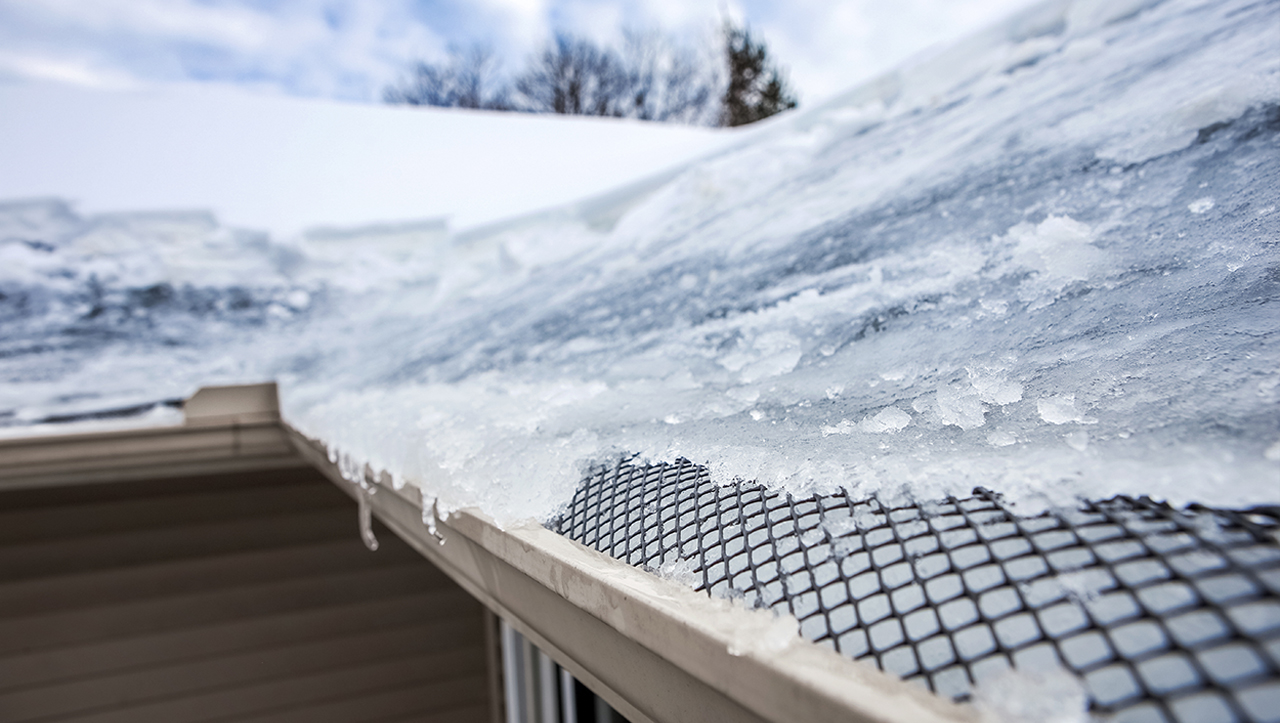
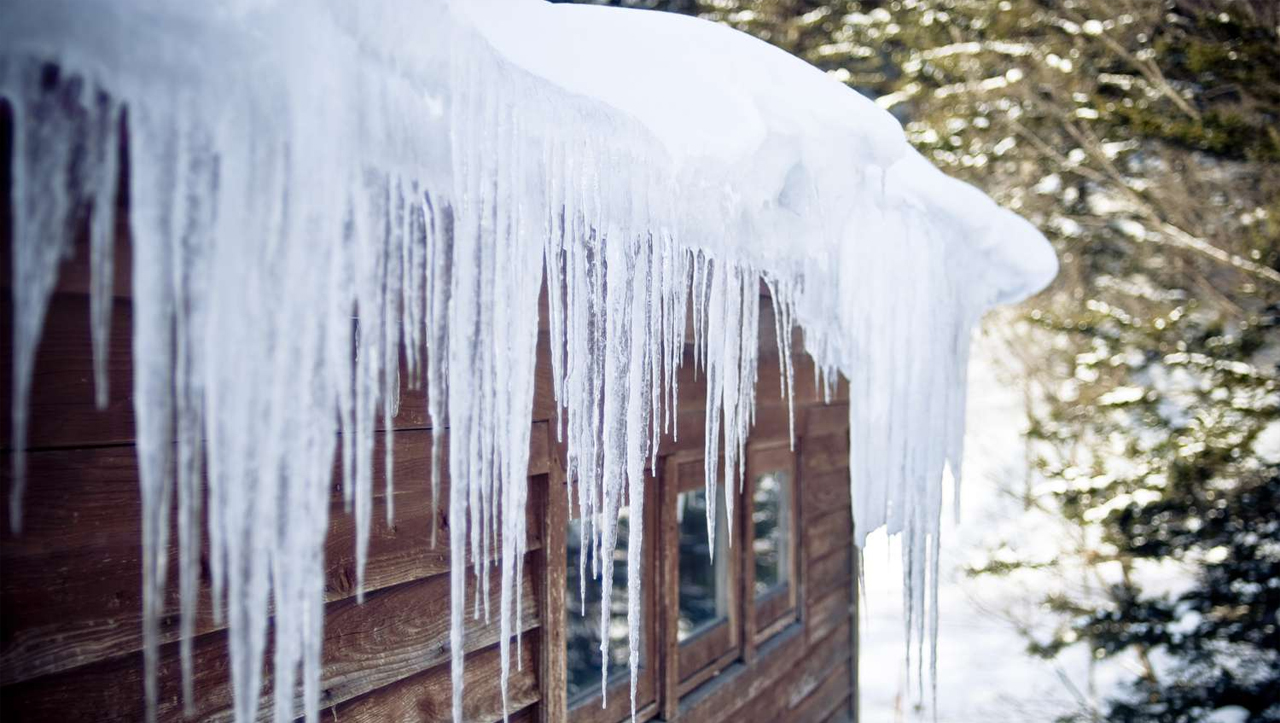
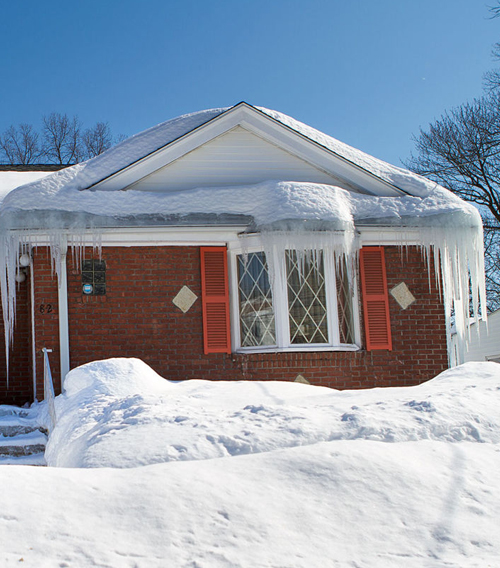
Long winter seasons in Anchorage create ideal conditions for heavy ice dam formation along residential and commercial roof eaves. When warm indoor air leaks upward from living spaces into an under-insulated attic, it heats the upper roof deck from underneath and melts the bottom layer of accumulated snow. This liquid meltwater trickles downward beneath the snowpack until it reaches the cold, unheated roof overhang extending past the exterior walls, where it freezes rapidly into solid ice. Over days and weeks of repeated freeze-thaw cycles, this frozen ridge grows thicker, forming a watertight barrier that blocks further drainage and forces liquid water backward underneath overlapping roof shingles. Once backed-up meltwater penetrates roof underlayment, it saturates attic insulation, stains ceiling drywall, and rots wooden roof framing. Using low-pressure, high-temperature steam is the only industry-approved method to remove ice dams safely without destroying your roof. Ice Dam Eradication Anchorage provides specialized roof steam removal across Anchorage, AK.
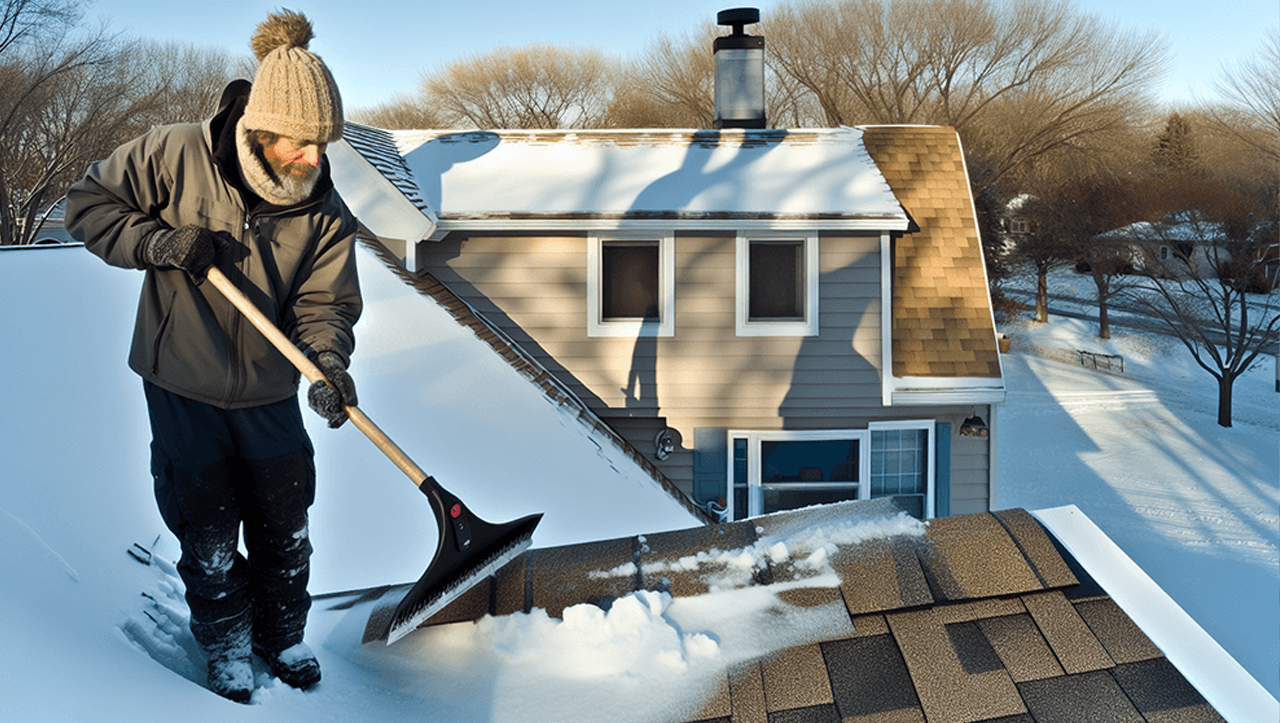
When water starts dripping through ceiling light fixtures or running down interior window frames, anxious homeowners often attempt to break up roof ice using hammers, hatchets, ice picks, crowbars, or snow shovels. Striking frozen ice with metal tools in sub-zero Alaskan temperatures almost always shatters brittle asphalt shingles, punctures protective waterproofing membranes, bends aluminum gutters, and gouges underlying plywood roof decking. Other property owners or inexperienced contractors attempt to blast ice dams away using cold-water or hot-water pressure washers. High-pressure water streams strip away the protective ceramic mineral granules embedded in asphalt shingles, dramatically shortening roof lifespan while injecting thousands of gallons of pressurized water straight up underneath shingle laps and into the attic space. Mechanical chipping and pressure washing routinely cause thousands of dollars in hidden roof damage that triggers severe leaks during the spring thaw.
Commercial ice dam steaming equipment operates on a completely different physical principle than a pressure washer. While a pressure washer relies on high mechanical water force at 1,500 to 3,500 PSI to blast debris off concrete, a dedicated ice dam steamer operates at very low pressure, typically under 100 to 150 PSI, while heating water past 290 degrees Fahrenheit inside a specialized coil boiler. When water exits the steamer wand at superheated temperatures, it flashes into a gentle, dense vapor stream. As technicians aim the steam nozzle at the ice ridge, pure thermal energy slices clean drainage channels through solid ice within seconds without applying physical impact or water pressure against the shingles. Technicians cut vertical channels down to the gutter line to release trapped pools of standing water immediately, then slice the remaining ice mass into manageable blocks that slide harmlessly off the eaves without tearing shingles or ripping gutters loose.
Hardware stores often market calcium chloride ice melt pucks or electric roof heat cables as easy fixes for winter ice buildup. Tossing rock salt or chemical de-icers onto a roof corrodes galvanized metal flashing, rusts gutter fasteners, kills landscaping plants below the drip line when salty runoff drains downspouts, and leaves dark chemical stains across shingles. Similarly, zig-zag electric heat cables plugged into exterior outlets consume significant electricity while only melting narrow tunnels directly touching the wire, leaving thick ice walls standing between cables that continue trapping water on the roof deck.
Ice dams frequently cause hidden structural damage inside attics and exterior wall cavities days before water drips visibly onto living room floors. Homeowners should monitor their rooflines and upper ceilings closely after heavy snowfalls followed by mild daytime temperatures. Key exterior warning signs include massive icicles hanging directly behind aluminum gutters or emerging from wooden soffit vents rather than hanging strictly from the outer gutter lip. Inside the home, peeling paint near upper window headers, damp or discolored drywall corners along exterior walls, wet fiberglass insulation in the attic, and sudden cold drafts indicate that trapped roof water has breached the building envelope.
While professional steam removal resolves active water intrusion emergencies immediately, preventing new ice dams from forming winter after winter requires stopping heat loss into the attic. Air-sealing gaps around recessed ceiling lights, attic access hatches, plumbing vent stacks, and chimney chases prevents warm indoor air from rising into the roof cavity. Upgrading attic floor insulation to recommended Alaskan R-values keeps indoor heat inside living spaces, while installing clear soffit intake vents and continuous ridge exhaust vents allows cold outdoor air to circulate freely beneath the roof deck. Keeping the entire roof surface cold prevents snow from melting unevenly until spring sunlight arrives naturally.
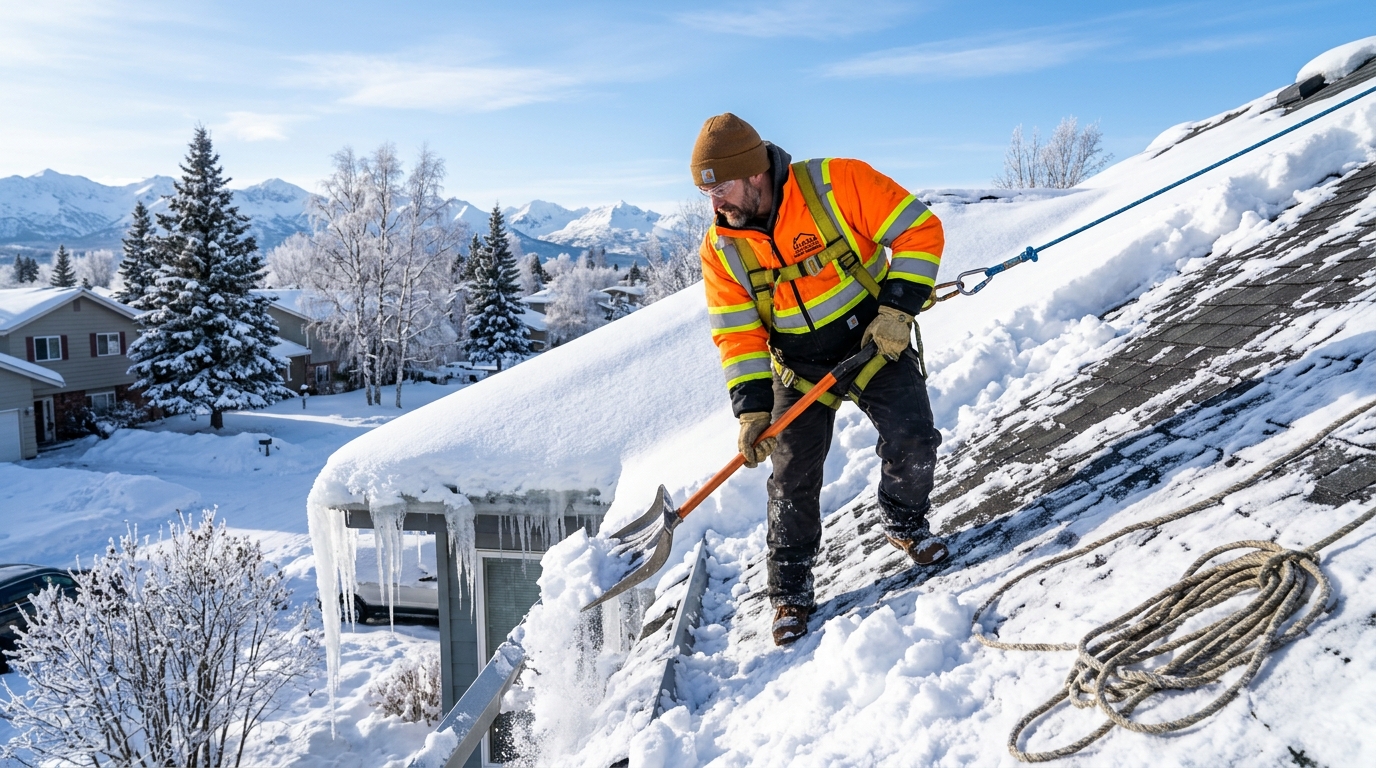
Climbing onto steep, ice-covered roofs in sub-zero temperatures carries extreme fall hazards for homeowners without specialized winter climbing gear. Certified steam technicians utilize full-body fall arrest harnesses, structural roof anchors, non-slip ice cleats, and commercial steam units engineered for reliable operation in freezing conditions, clearing dangerous ice ridges efficiently while protecting both crew safety and your roof warranty.
Protecting your home during harsh Alaskan winters requires safe, non-destructive ice removal techniques. If thick ice ridges are trapping water along your eaves or causing interior ceiling leaks, contact Ice Dam Eradication Anchorage for fast, low-pressure roof steam removal services or schedule an emergency assessment today.